1. Overview of ISA-95
ISA-95, also referred to as IEC/ISO 62264, is an international standard that establishes a framework for the seamless integration of enterprise systems, such as Enterprise Resource Planning (ERP), with control systems, such as Manufacturing Execution Systems (MES).
Objectives:
- Bridging the gap between enterprise and manufacturing systems
- Enhancing communication and interoperability
- Improving operational efficiency through process standardization
Historical Context: ISA-95 was established to address the growing demand for uniformity in the communication of manufacturing systems. Originally focused on industries such as pharmaceuticals and automotive, the standard has broadened its scope to encompass a variety of sectors.
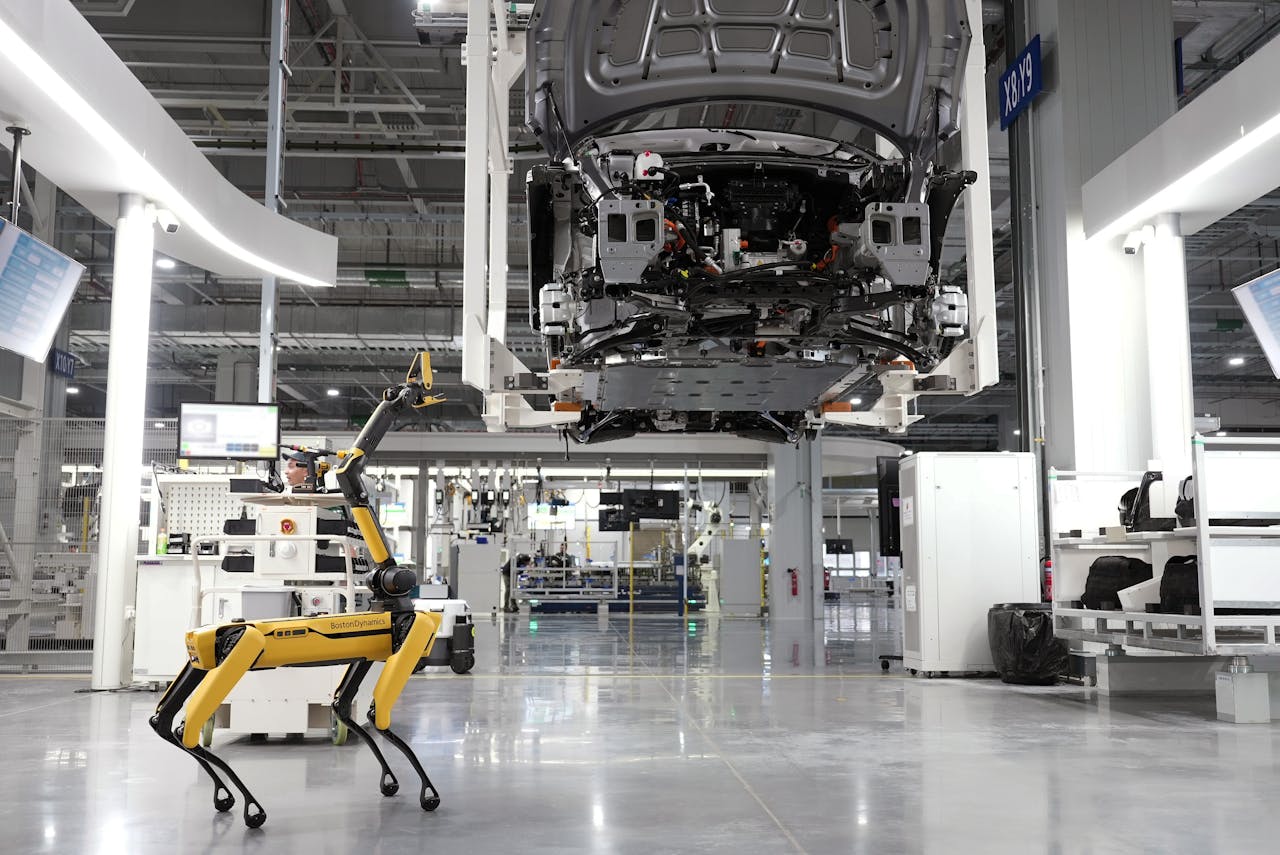
 MES Implemented Automotive Factory
2. Objectives of ISA-95
- Define Standardized Models: Facilitate consistent terminology and a unified data model for system integration.
- Support Seamless Integration: Develop a structured framework to integrate ERP, MES, and process control systems.
- Optimize Operations: Enhance workflows, minimize manual interventions, and improve decision-making.
- Facilitate Scalability: Enable easy integration of new systems, machinery, and technologies.
- Enable Regulatory Compliance: Ensure traceability, auditability, and adherence to industry standards.
3. Core Concepts of ISA-95
3.1 Functional Hierarchy Model
ISA-95 organizes manufacturing activities into five distinct levels:
- Level 0: The physical process (machines, sensors, devices)
- Level 1: Control systems for monitoring and manipulating processes (PLCs, SCADA)
- Level 2: Supervisory systems (HMIs, data acquisition)
- Level 3: Manufacturing operations management (MES)
- Level 4: Business logistics and planning (ERP, supply chain)
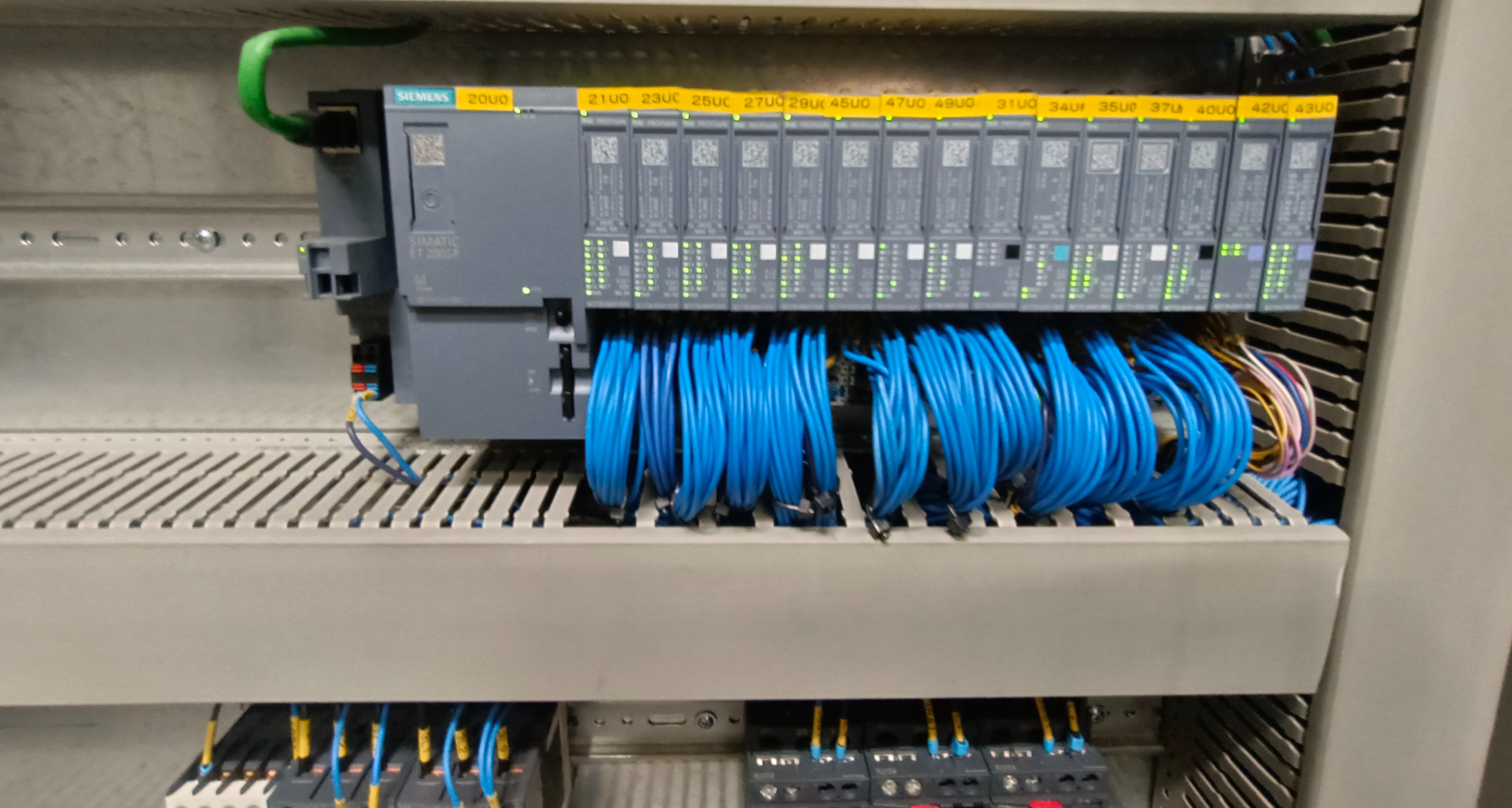 A machine PLC application
3.2 Models and Definitions
ISA-95 introduces standardized models:
- Activity Models: Define manufacturing functions like scheduling, quality control, and inventory management.
- Object Models: Represent entities such as personnel, equipment, materials, and processes.
- Data Flow Models: Illustrate information exchange pathways between hierarchical levels.
3.3 Key Components
- Personnel: Roles, responsibilities, and qualifications needed for production and maintenance.
- Equipment: Specifications, performance metrics, and maintenance records.
- Material: Definitions of raw materials, intermediate products, and finished goods.
- Processes: Standardized workflows — production cycles, quality assurance, logistics.
- Information: Real-time and historical data critical for decision-making.
4. ISA-95 Part Series
- Part 1: Models and Terminology — foundational hierarchy and standard terminologies.
- Part 2: Object Models and Attributes — detailed definitions for equipment, materials, personnel.
- Part 3: Activity Models of Manufacturing Operations Management — Level 3 activities.
- Part 4: Object Models for Manufacturing Operations Management — material flow, storage, production batches.
- Part 5: Business-to-Manufacturing Transactions — transaction standards for ERP ↔ MES data exchange.
5. Implementation Steps
- Assessment — Audit current systems, identify integration gaps.
- Define Objectives — Establish KPIs (on-time delivery, cycle time reduction).
- Develop a Roadmap — Map integration plans using activity and object models.
- Align Data Structures — Standardize data formats across systems.
- Build Interfaces — Implement middleware for ERP ↔ MES data exchange.
- Validation and Testing — Rigorous testing for accuracy and reliability.
- Training — Educate stakeholders on ISA-95 frameworks.
- Monitor and Optimize — Continuously evaluate integration outcomes.
6. Benefits of ISA-95
- Interoperability: Seamless data flow between enterprise and control systems.
- Efficiency: Automation reduces manual interventions and errors.
- Scalability: Modular design supports expansion and modernization.
- Data Consistency: Reliable data exchange ensures accuracy.
- Compliance: Facilitates traceability and adherence to industry regulations.